
How to Find a Reliable DME Medical Supply Supplier?
Choosing a reliable dme medical supply supplier is a clinical and operational decision, not merely a purchasing task. A wheelchair, oxygen concentrator, or hospital bed can directly affect a patient’s safety, comfort, and independence. The World Health Organization’s Global Report on Assistive Technology (2022) estimates that more than 2.5 billion people need assistive products worldwide. That figure may reach 3.5 billion by 2050. Demand is growing quickly, but supplier quality is not uniform.
Evidence matters more than attractive promises. In the United States, the Centers for Medicare & Medicaid Services (CMS) requires many DMEPOS suppliers to meet accreditation, enrollment, and quality standards. Its DMEPOS Supplier Standards describe expectations for product information, customer service, delivery, repairs, and complaint handling. The U.S. Food and Drug Administration’s Medical Device Reporting program also shows why traceability and post-sale support deserve close attention. A supplier should identify products clearly, document maintenance, and respond when equipment fails.
Ask practical questions. Can the supplier provide current manufacturer details? Are serial numbers recorded during delivery? Is a trained technician available after installation? What happens at 9 p.m., when a battery stops charging? Small details reveal operational maturity.
A polished website is not proof. Neither is the lowest quotation. Industry reports can guide research, but direct verification remains essential. I have seen buyers focus heavily on price and overlook replacement timelines, training, or return procedures. That mistake can become expensive. This guide examines supplier credentials, product quality, service capacity, documentation, and customer feedback, helping buyers make a careful, evidence-informed decision.
Define the Role and Scope of a DME Medical Supply Supplier
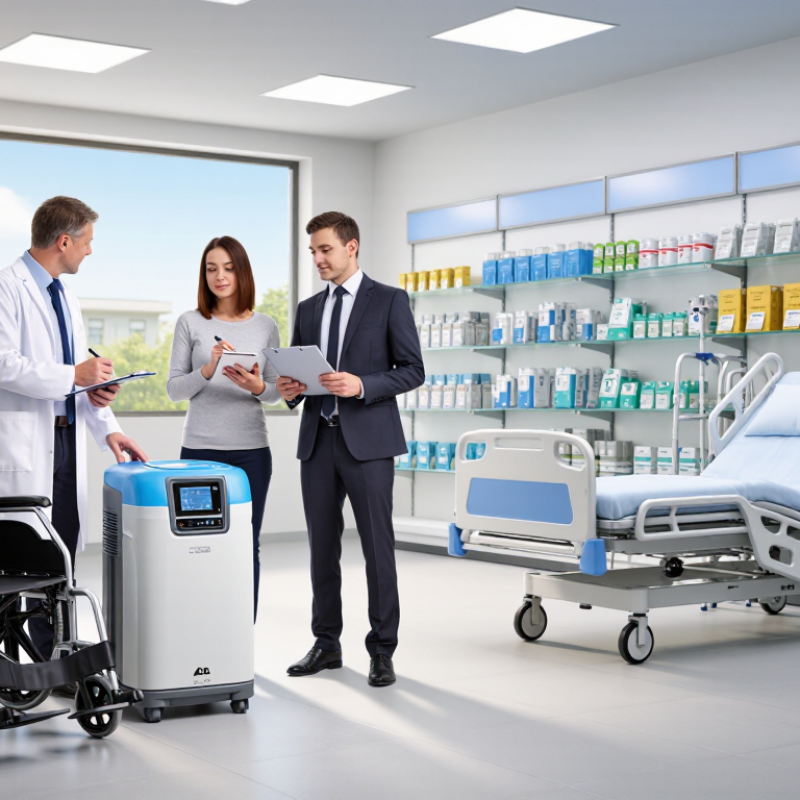
A DME medical supply supplier does more than ship wheelchairs, oxygen equipment, or mobility aids. Its role covers product sourcing, documentation, fitting support, delivery, setup, maintenance, and replacement planning. The supplier should also explain safe use in clear language. It must not diagnose patients or replace clinical judgment. That boundary can blur in practice.
The need is substantial. The WHO and UNICEF Global Report on Assistive Technology estimates that 2.5 billion people need at least one assistive product . This figure may exceed 3.5 billion by 2050. A reliable supplier therefore manages more than inventory. It checks product specifications, user measurements, delivery conditions, training records, and service response times. CMS National Health Expenditure Data reported U.S. healthcare spending of $4.9 trillion in 2023. Efficient DME coordination can reduce avoidable delays within this costly system.
Experience often reveals the missing details. A supplier may deliver a properly approved device, yet overlook doorway width, battery storage, or caregiver training. That is a real failure. Ask how it verifies fit, tracks serial numbers, handles repairs, protects patient information, and communicates with clinicians. Request written service standards and evidence of staff training. Accreditation helps, but it is not proof of perfect performance. No checklist catches every problem. Careful suppliers keep reviewing their process after mistakes, because reliability is built through measurable follow-up, not confident promises.
Verify Licensing, Accreditation, and Regulatory Compliance
How to Find a Reliable DME Medical Supply Supplier?
A reliable DME supplier should provide current licensing records before discussing large orders. Check the supplier’s legal name, operating address, and license number. Confirm these details through the relevant government registry, not only a website certificate. Licensing rules differ by location and product category. Ask whether the license covers the equipment you plan to purchase.
Accreditation can show that a supplier follows documented quality procedures. However, accreditation alone does not prove consistent service. Request the accrediting organization, certificate number, inspection date, and approved scope. Review regulatory compliance records when available, including corrective actions, complaint handling, and product traceability. A professional supplier should answer clearly and provide documents without pressure.
Look at the warehouse process, too. Are cartons sealed, labeled, and protected from moisture? Can staff explain lot tracking, delivery checks, and replacement procedures? These small details often reveal operational discipline. I once focused too heavily on a polished certificate and overlooked slow document responses. That was a useful warning. Paperwork matters, but behavior matters as well. Ask for written procedures, then compare them with actual communication and delivery practices. Availability of insurance, trained staff, and secure records can further support a dependable compliance system.
Assess Product Quality, Availability, and Equipment Standards
A reliable DME medical supply supplier should prove product quality with more than polished catalog photos. Ask for material specifications, inspection procedures, and traceable quality records. Product labels should show clear model information, intended use, and maintenance guidance. Request samples when possible. A sample can reveal loose fittings, rough edges, unclear instructions, or weak packaging. Small details matter.
Availability also affects patient care and daily operations. Ask whether the supplier keeps essential items in stock or depends on uncertain production schedules. Confirm average lead times, replacement parts, repair support, and emergency communication channels. A low price becomes less attractive when a wheelchair cushion or transfer aid arrives weeks late. Check how the supplier manages backorders. Their answer may expose weak planning.
Equipment should meet applicable medical-device, electrical-safety, and accessibility requirements in the intended market. Request conformity documents, testing reports, and calibration records for powered equipment. Verify that staff receive practical instructions, not only a manual. A dependable supplier should explain inspection intervals and safe storage conditions. Documentation matters. It supports accountability.
Do not accept every certificate without checking its scope and date. Some documents cover a factory, not every product. That distinction is easy to miss. I would also record communication quality during evaluation. Slow replies, vague answers, or changing specifications deserve attention. No supplier is perfect, and availability can change unexpectedly. The better choice is one that acknowledges limitations, reports problems promptly, and provides a workable corrective plan.
Compare Pricing, Insurance Support, Delivery, and Maintenance Services
How to Find a Reliable DME Medical Supply Supplier?
A reliable DME supplier should make costs easy to understand. Request an itemized quote before ordering. It should show equipment price, delivery fees, rental terms, deposits, and repair charges. Ask whether insurance billing is handled directly. Confirm deductibles, prior authorization, documentation, and claim follow-up. CMS DMEPOS supplier standards require proper enrollment, accreditation, and beneficiary protections. Treat these requirements as a starting point, not proof of excellent service.
Delivery affects daily safety. Ask for a realistic delivery window and tracking details. Confirm whether staff will assemble, test, and explain the equipment. Maintenance also deserves careful comparison. Check response times, loaner options, preventive inspections, and after-hours support. The WHO and UNICEF Global Report on Assistive Technology estimates that more than 2.5 billion people need assistive products worldwide. Demand may exceed 3.5 billion by 2050. Service capacity matters. A low price means little if repairs take weeks.
Tips: Compare three written quotes. Call two recent customers. Read the return policy slowly. Ask who pays for failed deliveries. Check maintenance records when possible. Keep every approval and invoice. I once assumed insurance support meant full claim management. That assumption was wrong. Ask for the exact tasks included, preferably in writing. Also, reassess the supplier after delivery, because polite sales support can change later.
Review Reputation, Customer Support, and Supplier Reliability
A reliable DME medical supply supplier should withstand careful reputation checks. Do not trust one perfect review. Examine complaint patterns, delivery comments, and responses across several months.
CMS’s FY2023 Comprehensive Error Rate Testing report placed DMEPOS improper payments at 34.6%.
That figure shows why documentation and supplier oversight matter. Ask whether the supplier maintains required accreditation, clear billing records, and current enrollment information. Ask for proof.
Customer support becomes visible when equipment arrives late or needs adjustment. Test the service before ordering. Call after business hours, send a detailed email, and measure the response time.
A useful supplier should explain delivery tracking, replacement procedures, and escalation steps without vague promises. The 2023 National Healthcare Quality and Disparities Report from AHRQ emphasizes communication as a measurable part of care quality. A fast answer is not enough. The answer must be accurate.
Reliability also means stable operations behind the website. Request stock confirmation, expected delivery dates, return conditions, and recall notification procedures. Check whether staff can identify model numbers, accessories, and documentation requirements.
I once treated quick replies as proof of reliability. That was too generous. A polished website can hide weak inventory control.
Look for consistent evidence instead: transparent policies, trained support staff, traceable shipments, and realistic promises. WHO reports that roughly one in ten patients experiences harm in healthcare, making careful equipment coordination more than a convenience.
Related Posts
-
How to Source Urinary Supplies Globally in 2026?
-

10 Best Medical Solutions for Effective Healthcare Management?
-

How to Find Reliable General Medical Information Online?
-

China Top 10 Convalescent Supplies Suppliers
-

How to Choose the Best Medical Equipment Shop for Your Needs?
-

2026 Best Handicap Equipment for Enhanced Mobility and Independence?