
China Top 10 Convalescent Supplies Suppliers
China’s convalescent supplies sector is becoming increasingly important as hospitals, rehabilitation centers, and home-care providers seek dependable recovery equipment. This article introduces ten Chinese suppliers serving these practical needs. Their products may include adjustable care beds, wheelchairs, walkers, transfer aids, pressure-relief cushions, and bathroom safety equipment.
The selection should not depend on factory size alone. Product certification, material quality, after-sales support, customization, and export experience also matter. A useful supplier should explain load limits clearly and provide stable replacement parts. A polished catalog means little if a wheel locks poorly or a mattress loses support after several months.
Rory Cooper, a rehabilitation engineer and disability advocate, has said, “The disability is not in the person; the disability is in the environment.” This idea helps frame the role of convalescent supplies. Good equipment should reduce unnecessary effort, protect dignity, and make daily recovery safer. A low bed beside a sturdy grab rail can change a patient’s morning routine. Small details matter.
Still, supplier rankings are never permanent. Prices change. Certifications expire. Customer service can weaken after an order grows. Therefore, this guide treats the top ten as a practical starting point, not an unquestionable verdict. Buyers should verify current documentation, test samples when possible, and discuss clinical requirements with qualified professionals. Some suppliers may look impressive online. Reality requires closer inspection.
Definition and Scope of Convalescent Supplies in China
China Top 10 Convalescent Supplies Suppliers
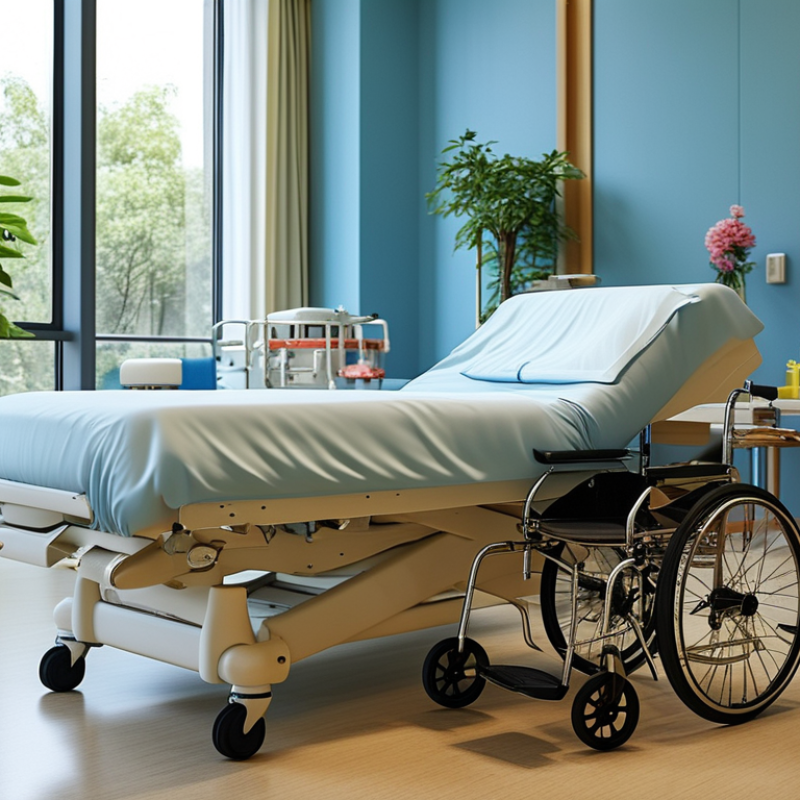
Convalescent supplies in China are products that support recovery after illness, surgery, injury, or prolonged treatment. They may include mobility aids, adjustable beds, transfer chairs, pressure-relief cushions, wound-care items, rehabilitation equipment, and daily living supports. The category is broader than hospital equipment. It also covers practical products used in rehabilitation centers, nursing facilities, and private homes.
The scope depends on the product’s intended use and regulatory classification. Some items require registration, testing, or documented quality controls before distribution. Others are general care products but still need safe materials, clear instructions, and reliable performance. For a top-ten supplier review, buyers should examine traceability, manufacturing experience, inspection records, delivery capacity, technical training, and after-sales service. A large product catalogue is not enough.
Real evaluation should include physical checks. Inspect packaging, batch information, load ratings, surface finish, cleaning guidance, and replacement-part availability. Ask whether the supplier can support different recovery environments, including narrow apartments and busy rehabilitation wards. Clinical feedback and caregiver experience are valuable, but they are not always consistent. A supplier may appear professional online yet provide weak follow-up after delivery. That risk is easy to underestimate. It is also worth checking whether product claims match available evidence and local requirements. The definition of convalescent supplies remains practical rather than perfectly fixed, so procurement teams should record their own inclusion criteria before comparing Chinese suppliers.
Key Criteria for Evaluating Chinese Convalescent Supply Suppliers
China’s convalescent supply market deserves more than a low-price ranking. Buyers should assess safety, consistency, and recovery outcomes before comparing quotations. The WHO and UNICEF Global Report on Assistive Technology (2022) estimates that 2.5 billion people need assistive products. That figure may exceed 3.5 billion by 2050. Demand makes supplier verification urgent.
Check whether the factory maintains ISO 13485-based quality processes and valid registrations for target markets. Request batch records, material certificates, risk files, and recent third-party test reports. For mobility aids, inspect welds, brakes, load ratings, adjustment points, and packaging. For rehabilitation supports, confirm skin-contact materials, dimensional tolerances, cleaning instructions, and replacement-part availability. A polished certificate is not enough. I would sample products from different production dates, then compare measurements. This catches weaknesses that catalog photos hide. No audit is perfect.
Delivery evidence matters as much as documents. WHO’s World Rehabilitation Report (2023) indicates that 2.4 billion people could benefit from rehabilitation worldwide. Suppliers should show dependable capacity, not only attractive prototypes. Evaluate worker training, incoming inspection, final inspection, and traceability from raw material to carton. Ask for defect rates, corrective-action records, average lead times, and complaint response times. Some evaluations overvalue factory size. Smaller facilities can perform well, but only with disciplined controls. The uncomfortable question is simple: would the supplier disclose a failed batch quickly? If not, the score should fall.
Profiles of China’s Top 10 Convalescent Supplies Suppliers
China’s top ten convalescent supplies suppliers should be assessed as recovery partners, not simply low-cost exporters. Profiles should examine product scope, factory capacity, quality controls, export experience, and after-sales support. WHO’s Global Report on Assistive Technology estimates that more than 2.5 billion people need assistive products worldwide. This figure may reach 3.5 billion by 2050. China’s 2024 Statistical Communiqué reported that people aged 60 and above represented 22% of the population in 2023. The market is substantial. Yet, a ranking can mislead.
A useful supplier profile should show more than product photographs. It should mention material traceability, load testing, packaging strength, and inspection records. For mobility aids, buyers should check brake response, wheel stability, and adjustment ranges. For home-care products, surface finish and cleaning access matter. WHO rehabilitation guidance stresses user-centred assessment, so suppliers offering sizing support deserve closer attention. Some manufacturers provide impressive catalogs but limited clinical documentation. That gap needs honest review. Experience from procurement projects suggests that response speed often predicts service quality better than a polished website.
Tips: Request a recent test report, sample approval record, and production lead time. Compare at least three samples under identical conditions. Ask how defects are handled after delivery. Do not rely on certificates alone. Their scope and validity require verification. The strongest profile combines public data, factory evidence, user feedback, and careful uncertainty.
China Top 10 Convalescent Supplies Suppliers
Demand context for China’s convalescent supplies sector, based on major population groups served by rehabilitation, mobility, home-care and elderly-care products.
China’s population aged 60 and above reached 296.97 million in 2023, while the population aged 65 and above reached 216.76 million. These demographic indicators provide a factual demand reference for convalescent supplies suppliers. Source: National Bureau of Statistics of China, 2023 Statistical Communiqué.
Product Categories, Manufacturing Strengths, and Service Capabilities
China Top 10 Convalescent Supplies Suppliers
China’s leading convalescent suppliers usually cover several practical product categories. These include adjustable care beds, wheelchairs, walkers, shower chairs, transfer aids, and pressure-relief cushions. Some factories also produce bedside tables, patient lifts, and basic monitoring accessories. A reliable supplier should explain intended use, load limits, materials, and maintenance needs clearly. Product photos alone are not enough.
Manufacturing strength often comes from integrated production. Metal cutting, welding, powder coating, plastic molding, and electronic assembly may occur within one facility. This structure can improve consistency and shorten development time. Experienced manufacturers use incoming material checks, assembly inspections, function testing, and shipment audits. They should provide traceable records, product manuals, and test information when requested. However, no supplier is perfect. Factory capacity may change during peak seasons, and customization can create hidden delays. Buyers should verify actual production conditions rather than trust polished presentations.
Tips: Request samples before bulk orders. Test wheels, brakes, hinges, motors, and emergency controls. Confirm packaging, spare parts, warranty terms, and response times. Strong service includes design support, private labeling, multilingual documents, installation guidance, and after-sales communication. A dependable partner also discusses realistic lead times and corrective actions openly. That honesty matters.
| Supplier Profile | Manufacturing Region | Main Product Categories | Manufacturing Strengths | Quality and Compliance Support | Customization and OEM Services | Export and After-Sales Capability |
|---|---|---|---|---|---|---|
| Supplier 01 | Eastern China | Wheelchairs Rollators Walking Frames | Steel and aluminum tube forming, robotic welding, powder coating, and load testing for mobility frames. | Batch traceability, incoming-material inspection, dimensional checks, braking tests, and packaging inspection. | Frame color, upholstery, caster size, logo application, carton artwork, and instruction-manual localization. | Standard export packing, container consolidation, spare-parts supply, and replacement-component support. |
| Supplier 02 | Southern China | Hospital Beds Overbed Tables Bedside Cabinets | Electric and manual bed-frame assembly, sheet-metal fabrication, corrosion-resistant coating, and functional testing. | Electrical safety checks, actuator-cycle testing, dimensional inspection, and production-record retention. | Bed dimensions, rail configurations, caster systems, mattress-platform options, and control-panel language. | Knock-down packing, installation guidance, remote troubleshooting, and spare motor or caster availability. |
| Supplier 03 | Central China | Pressure-Relief Cushions Mattresses Positioning Aids | Foam cutting, air-cell assembly, textile sewing, valve installation, and controlled compression testing. | Material verification, dimensional checks, air-retention testing, seam inspection, and hygiene-control procedures. | Foam density, cover fabric, dimensions, pressure zones, valve type, packaging, and private-label documentation. | Flat-pack or compressed packing, sample approval before production, batch replacement support, and export labeling. |
| Supplier 04 | Eastern China | Patient Lifts Transfer Chairs Slings | Structural steel fabrication, electric actuator integration, sling sewing, and static-load verification. | Weld inspection, load testing, battery and charger checks, sling seam inspection, and user-safety documentation. | Lifting capacity, boom geometry, sling sizes, control layout, caster configuration, and regional power options. | Technical manuals, assembly videos, replacement slings, service-part catalogs, and remote product training. |
| Supplier 05 | Southern China | Bathroom Safety Equipment Shower Chairs Commode Chairs | Injection-molded components, aluminum extrusion, stainless-steel assembly, non-slip surface treatment, and water-resistance testing. | Weight-capacity checks, corrosion inspection, surface-finish inspection, dimensional control, and packaging audits. | Seat width, backrest style, armrests, drainage openings, frame finish, color, and retail-packaging adaptation. | Retail and institutional packaging, mixed-SKU container loading, spare hardware kits, and product replacement support. |
| Supplier 06 | Northern China | Walking Canes Crutches Mobility Accessories | Aluminum tube extrusion, adjustable-height mechanisms, injection-molded handles, rubber-tip production, and assembly automation. | Height-adjustment checks, tip-slip testing, load verification, handle bonding inspection, and material traceability. | Handle shape, tube finish, height range, grip material, printed packaging, barcode labels, and accessory bundling. | Low-volume sampling, consolidated shipments, replacement ferrules and tips, and multilingual product inserts. |
| Supplier 07 | Eastern China | Rehabilitation Exercise Equipment Pedal Trainers Therapy Accessories | Metal machining, resistance-mechanism assembly, molded-plastic production, powder coating, and repetitive-use testing. | Torque checks, cycle testing, dimensional inspection, surface-finish control, and assembly-process verification. | Resistance range, pedal and handle configuration, frame dimensions, color, instructional graphics, and packaging format. | Demonstration samples, user manuals, spare knobs and straps, online technical support, and distributor training materials. |
| Supplier 08 | Southern China | Incontinence Care Products Underpads Protective Bedding | Nonwoven laminating, absorbent-core forming, elastic application, ultrasonic sealing, and high-speed packaging. | Absorption testing, rewet assessment, seal inspection, basis-weight checks, hygiene controls, and batch coding. | Product dimensions, absorbency levels, backing materials, pack counts, printed bags, cartons, and language adaptation. | Palletized export packing, lot identification, recurring supply programs, sample retention, and complaint-response procedures. |
| Supplier 09 | Central China | Respiratory Care Accessories Nebulizer Parts Oxygen-Equipment Accessories | Medical-grade plastic molding, tubing extrusion, connector assembly, leak testing, and clean-area packaging. | Dimensional inspection, airflow or leak checks where applicable, material documentation, cleanliness controls, and lot traceability. | Connector geometry, tubing length, mask sizes, material selection, packaging configuration, and technical-label adaptation. | Protective packaging, component replacement programs, documentation packs, export labeling, and technical inquiry support. |
| Supplier 10 | Eastern China | Elderly-Care Daily Living Aids Dressing Aids Reacher Tools | Injection molding, aluminum forming, ergonomic handle assembly, silicone overmolding, and small-product packaging automation. | Functional-use testing, grip and spring inspection, dimensional checks, material verification, and final visual inspection. | Handle ergonomics, tool length, gripping jaws, color, hanging holes, retail boxes, instruction cards, and bundled sets. | Retail-ready packaging, assorted-SKU orders, barcode and carton-label support, spare-part replacement, and online service. |
How to Select the Right Chinese Convalescent Supplies Supplier
Selecting a Chinese convalescent supplies supplier requires more than comparing quotations. The World Health Organization estimates that 2.4 billion people may benefit from rehabilitation worldwide. Demand is growing, but product quality remains uneven. Review the supplier’s experience with walking aids, adjustable beds, transfer chairs, or recovery supports. Ask for product specifications, material certificates, inspection records, and batch traceability. ISO 13485 certification can indicate a controlled medical-device quality system, but it is not proof of every product’s performance.
Independent reports also deserve careful reading. Grand View Research reported continued global growth in the rehabilitation equipment market, driven by aging populations and home-based care. This trend attracts new factories. Some look professional online. Their real production capacity may be smaller. Request a live factory video, recent audit report, and samples from current production. Check load capacity, surface finish, packaging strength, and user instructions. For electrical products, verify safety testing and destination-market compliance. A low quotation can still become expensive after returns, delays, or replacement parts.
Tips: Build a simple supplier scorecard. Include quality control, response time, lead time, documentation, customization, and after-sales support. Test samples with realistic users, not only laboratory measurements. Confirm spare-part availability in writing. Avoid paying the full amount before inspection. One weakness deserves attention: many buyers trust certificates without checking their scope or validity. Ask for issuing-body details and match them with the exact model. Reliable sourcing is slower than clicking “buy,” but safer.
Related Posts
-
What is Medical Supplies for Global Buyers?
-

Top 10 Medical Supply Places in China for Global Buyers?
-

How to Choose the Best Solutions for Medical Supplies?
-

Top 10 US Medical Supply Products for Global Buyers?
-
10 Essential Tips for Choosing Medical Equipment and Supplies?
-
How to Choose the Best Medical Supplies for Your Needs?