Top Disposable Medical Equipment Types You Should Know?
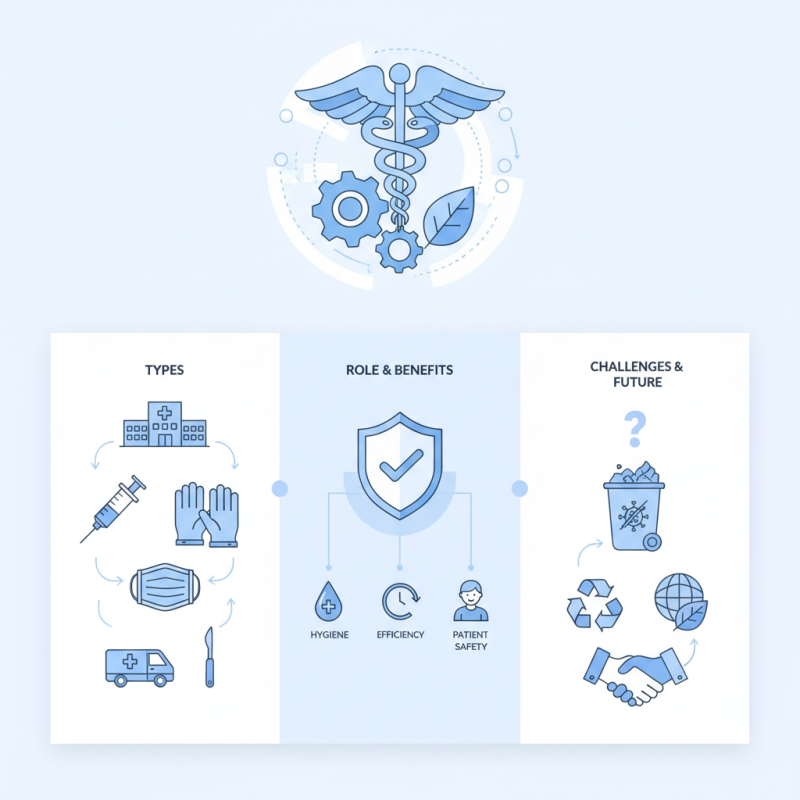
In the world of healthcare, disposable medical equipment plays a crucial role. These items are designed for single-use, ensuring safety and hygiene for patients and practitioners alike. They simplify processes and reduce the risk of infection throughout medical procedures.
Understanding the different types of disposable medical equipment is vital. From syringes to gloves, each item serves a unique purpose. Their design allows for efficiency in various settings, such as hospitals, clinics, and emergency care. However, there are environmental concerns associated with the sheer volume of waste generated.
Healthcare providers must balance safety and sustainability. Using disposable medical equipment is often necessary, yet it may lead to significant waste. This is a challenge that requires consideration. Promoting recycling and exploring eco-friendly alternatives could shape the future of disposable medical equipment.
Essential Types of Disposable Medical Equipment in Healthcare Settings
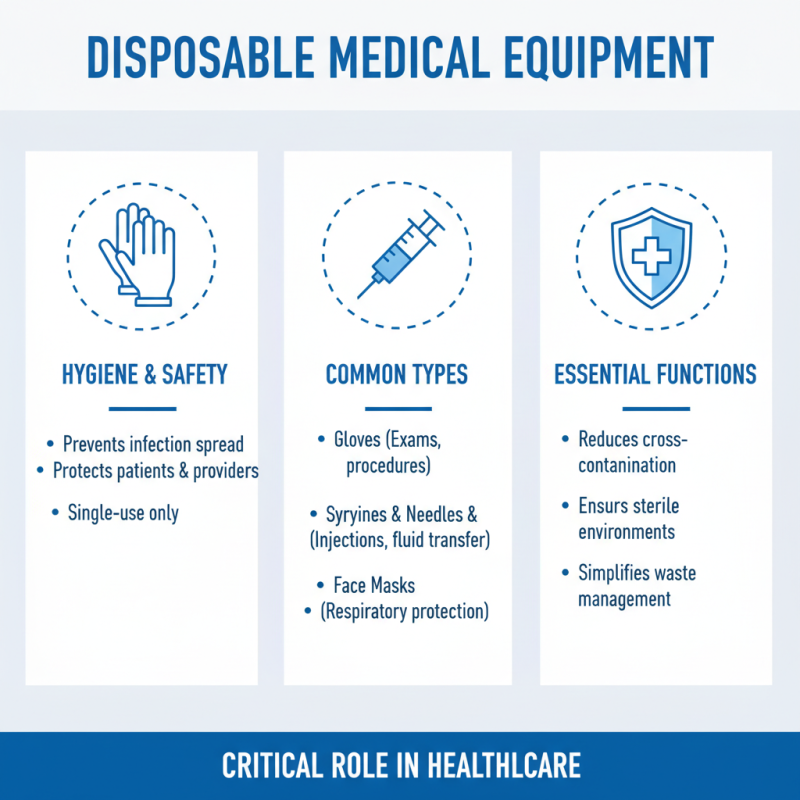
Disposable medical equipment plays a critical role in healthcare settings. These items ensure hygiene and safety for both patients and healthcare providers. Common types include gloves, syringes, and surgical drapes. Each item serves a unique, essential function.
Gloves provide a barrier against infections. They are used during examinations and procedures. However, improper disposal can lead to contamination. Syringes are essential for administering medications and vaccines. Their single-use design reduces the risk of needle-stick injuries. Still, some may overlook the environmental impact of waste.
Surgical drapes help maintain a sterile field. They protect patients from infection during procedures. Unfortunately, not all facilities manage the disposal process effectively. This oversight highlights the need for improvement. As healthcare evolves, understanding these essentials will enhance patient care and safety.
Importance of Disposable Medical Equipment in Infection Control
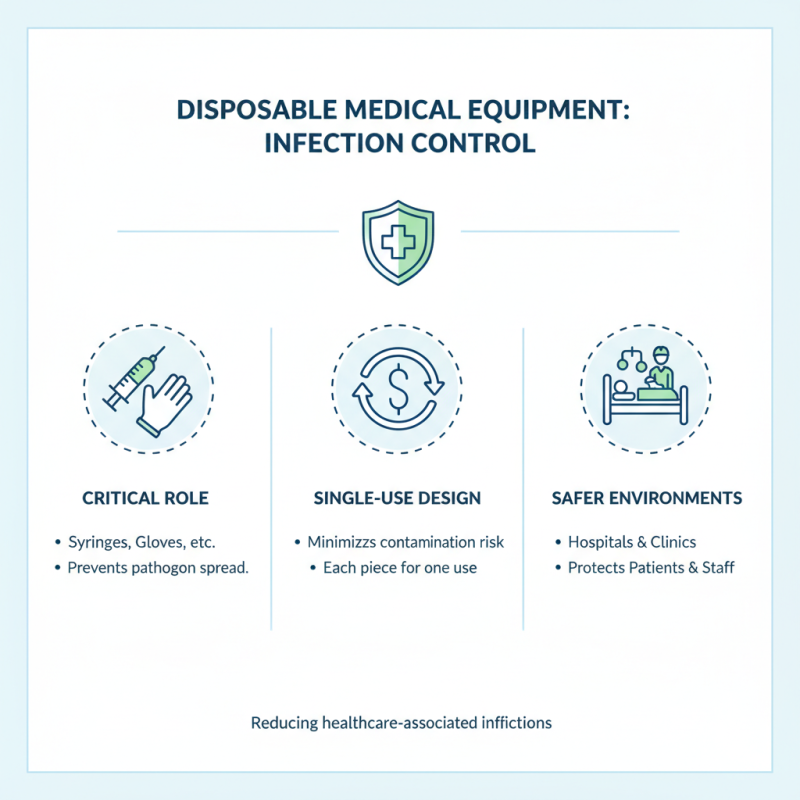
Disposable medical equipment plays a critical role in infection control. These items, such as syringes and gloves, help prevent the spread of pathogens. Each piece is designed for single use, minimizing the risk of contamination. In hospitals and clinics, these tools create a safer environment for both patients and healthcare workers.
However, relying heavily on disposable items raises concerns. Improper disposal can lead to environmental issues. Not all facilities have efficient waste management systems. As a result, some products end up in landfills, causing pollution. It's important to balance the benefits of infection control with environmental responsibility.
The effectiveness of disposable equipment is undeniable. Yet, continual education on proper usage is essential. Staff must understand how to use and discard items correctly. Training can reduce errors in infection control practices. Ultimately, the challenge lies in improving both healthcare and environmental outcomes.
Common Applications of Disposable Medical Devices in Medical Procedures
Disposable medical devices play a crucial role in various medical procedures. They are designed for single use, ensuring safety and reducing the risk of infections. Common items include surgical gloves, syringes, and face masks. These tools help maintain a sterile environment and protect both patients and healthcare workers.
In surgeries, disposable instruments are essential. They minimize cross-contamination and streamline the process. For instance, using disposable scalpels can lessen the chance of infection. However, the reliance on these tools may lead to waste management challenges. Many facilities struggle to handle the increased plastic waste generated from disposables. It's vital to balance safety and environmental impact.
In emergency situations, disposable devices are often life-saving. They offer convenience and quick access to necessary tools. Yet, some medical professionals express concerns about their overuse. It can lead to complacency in hygiene practices. Finding the right balance between convenience and health safety is an ongoing challenge in the medical field. Effective education on proper use of disposables is crucial.
Advantages of Using Disposable Medical Equipment Over Reusable Options
Disposable medical equipment offers numerous advantages compared to reusable options. First, their single-use design minimizes the risk of cross-contamination. In busy hospitals, it is critical to maintain high hygiene standards. With disposable items, healthcare providers can focus on patient care, knowing that the risk of infection is significantly reduced.
Another benefit is the convenience they provide. Disposable equipment eliminates the need for cleaning and sterilization processes. This saves valuable time for medical staff. For example, a nurse can quickly access new gloves without worrying about cleaning them first. However, the environmental impact of disposables is a concern. The increased waste generated calls for careful consideration and strategies to reduce its footprint.
Additionally, disposables are often designed for specific tasks, ensuring optimal performance. They can be tailored for various procedures, enhancing efficiency. Yet, this specialization may lead to over-reliance on disposables, which raises questions about long-term sustainability. Finding a balance between convenience and responsible use is essential for the future of medical practices.
Top Disposable Medical Equipment Types You Should Know
| Equipment Type |
Advantages |
Common Uses |
| Syringes |
Minimizes risk of cross-contamination |
Vaccinations, injections |
| Gloves |
Ensures hygiene and protection |
Examinations, surgeries |
| Masks |
Filters airborne particles |
Surgical procedures, infection control |
| IV Catheters |
Reduces infection risks |
Fluid administration, blood transfusions |
| Electrodes |
Enhances patient safety |
Electrocardiograms (ECGs) |
| Bedding |
Prevents cross-infection |
Patient comfort and hygiene |
Key Considerations When Selecting Disposable Medical Supplies for Facilities
When selecting disposable medical supplies, several crucial considerations come into play. The quality of materials is paramount. Facilities must ensure that products are made from safe, non-toxic materials. Look for certifications that indicate the supplies meet health standards. This can often be a daunting task. Many suppliers make bold claims that can be misleading.
Cost is another major factor. While staying within budget is essential, opting for the cheapest option is risky. It can lead to inadequate protection or even equipment failure during critical moments. Facilities should evaluate long-term savings against quality. Sometimes, a small increase in cost translates to better reliability.
Stock levels also deserve attention. Keeping track of inventory is vital. Running out of essential supplies can halt operations and affect patient care. Facilities should implement an inventory management system to monitor usage trends. This proactive approach can save time and money. However, no system is foolproof. Regular audits are necessary to avoid potential shortages.