How to Choose the Right Medical Equipment Supplies for Your Needs?
Choosing the right medical equipment supplies is crucial for healthcare providers. Dr. Jane Thompson, a leading expert in the field, states, “The right equipment can change patient outcomes.” This underscores the importance of making informed decisions.
When selecting medical equipment, consider specific needs. For instance, a hospital's surgical unit requires different supplies than a pediatric office. It’s essential to evaluate functionality and reliability. Often, many providers focus on price alone, neglecting quality. This oversight can lead to serious complications.
Moreover, technology trends are constantly evolving. New medical equipment supplies come with advanced features. However, these innovations can sometimes overwhelm buyers. A balanced approach is necessary. Learn from each purchasing experience. Reflect on what worked and what didn’t. Strive for informed choices, as these decisions impact patient care directly.

Understanding Your Medical Equipment Needs Based on Treatment Goals
When selecting medical equipment, understanding your treatment goals is essential. Identify what you hope to achieve. Are you managing pain, improving mobility, or monitoring health? Each goal requires different tools.
Tips: Always list your treatment objectives. This helps narrow down your choices. Speak with healthcare professionals about their recommendations. They can guide you based on expertise.
Consider how often you will use the equipment. Frequent use may require higher quality or more advanced features. Balance your budget with the equipment's reliability. Sometimes, a less expensive option may not meet your needs.
Tips: Read reviews from other users. Their experiences can provide insight into the product’s performance. Make a short list of must-haves versus nice-to-haves. This may lead to better decisions, despite the initial uncertainty.
How to Choose the Right Medical Equipment Supplies for Your Needs? - Understanding Your Medical Equipment Needs Based on Treatment Goals
| Equipment Type | Usage Purpose | Key Features | Considerations |
|---|---|---|---|
| Blood Pressure Monitor | Regular monitoring of blood pressure | Digital display, memory function, cuff size options | Accuracy, ease of use, portability |
| Pulse Oximeter | Measuring oxygen saturation in blood | Fast reading, small size, battery-operated | Sensitivity for varying skin tones, auto shut-off |
| Nebulizer | Delivery of medication in mist form for respiratory conditions | Compressor-driven, portable options, ease of cleaning | Noise level, treatment time, customer reviews |
| Wheelchair | Mobility for individuals with limited movement | Lightweight, foldable, adjustable footrests | Comfort, maneuverability, weight capacity |
| Thermometer | Measuring body temperature | Digital, infrared, multi-mode capability | Response time, accuracy, user-friendly display |
Evaluating the Quality and Compliance of Medical Equipment Supplies
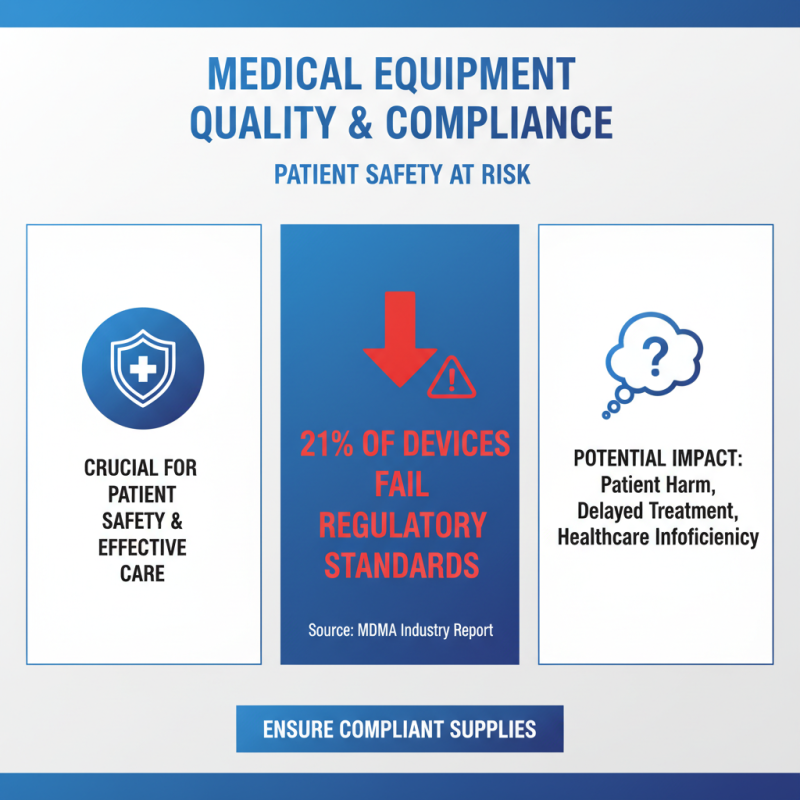
Evaluating the quality and compliance of medical equipment supplies is crucial for ensuring patient safety and effective care. According to a recent industry report by the Medical Device Manufacturers Association (MDMA), around 21% of medical devices on the market do not meet regulatory standards. This alarming figure raises concerns about the potential impact on patient health.
Quality evaluation should involve a thorough examination of manufacturing practices. The International Organization for Standardization (ISO) emphasizes the importance of compliance with standards, including ISO 13485 for quality management systems. Neglecting these standards can lead to serious consequences. For example, improperly sanitized equipment can contribute to hospital-acquired infections, which affect millions of patients annually.
Furthermore, it's essential to consider the lifecycle of medical supplies. Longevity and durability are vital. A report from the World Health Organization (WHO) indicates that low-quality equipment leads to increased costs and reduced patient outcomes. These issues often stem from hidden compromises made during the procurement process. Scrutinizing supplier certifications and past performance will minimize future risks and help healthcare providers make informed decisions.
Analyzing Cost-Effectiveness of Medical Equipment Based on Use
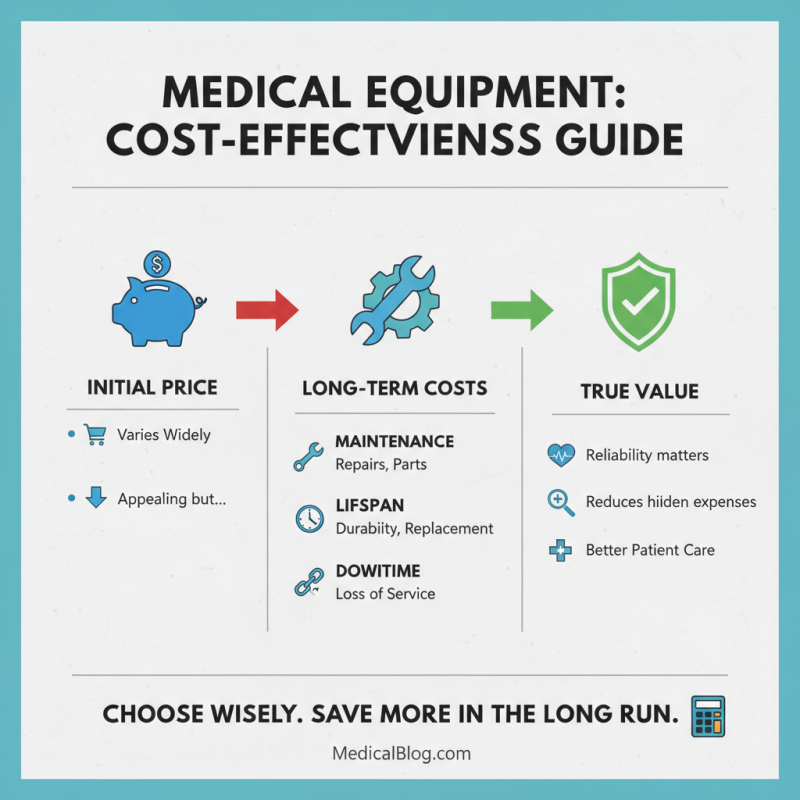
Choosing the right medical equipment is crucial. Cost-effectiveness plays a major role in making that decision. Many suppliers offer various options, but the price can vary significantly. Sometimes, the cheaper option may seem appealing but can lead to higher costs down the line. Think about maintenance expenses or the lifespan of the equipment.
When analyzing costs, consider how often the equipment will be used. Is it for daily procedures or occasional emergencies? Equipment for frequent use might justify a higher initial investment. However, if it's rarely used, it may make sense to opt for a less expensive model. Many wonder if they made the right choice after a purchase. It's essential to reflect on these factors before deciding.
Equipment choices often lead to regret. Users might find that they need additional tools afterward. This can result in unexpected expenditures. It's wise to keep in mind not just the initial cost but also ongoing expenses. Selecting equipment is not a one-size-fits-all task. It demands careful thought and a clear understanding of individual needs.
Identifying Key Features and Technology in Medical Equipment
When selecting medical equipment, understanding key features is crucial. These features can significantly impact patient care. For example, a report from the Medical Device Innovation Consortium indicates that over 35% of healthcare professionals list reliability as the top priority. Medical devices must perform consistently, especially in critical situations.
Technology integration is also vital. Advanced technology, such as AI and telemedicine solutions, is rapidly becoming the norm. The Global Market Insights report states that the telemedicine market is expected to grow by 23% annually through 2025. This surge underscores the importance of choosing equipment compatible with emerging technologies. However, not all equipment integrates seamlessly, leading to operational inefficiencies.
User training is often overlooked. Many healthcare professionals report feeling unprepared to use new equipment effectively. The World Health Organization highlights that inadequate training can increase the risk of errors. It’s essential to consider not just the device but how well staff can utilize it. Understanding these aspects can make a significant difference in patient outcomes.
How to Choose the Right Medical Equipment Supplies for Your Needs?
This chart illustrates the key features and importance ratings when choosing medical equipment supplies. The factors considered include Quality, Durability, Cost, Technology, and Ease of Use, each rated on a scale from 1 to 5.
Assessing Vendor Reputation and Support for Equipment Purchases
When it comes to choosing medical equipment supplies, vendor reputation plays a crucial role. A reliable vendor can make a significant difference in your experience. Take time to research potential suppliers. Look for reviews and testimonials from other healthcare providers. Check if they have a history of dependable service and ethical practices. It's essential to know if they are responsive when issues arise.
Support after the purchase is equally important. Inquire about the training provided for using the equipment. Understand their warranty and maintenance options. Some vendors may claim to offer great support but lack follow-through. Pay attention to these details. Ask yourself how they handle troubleshooting. A vendor that is difficult to reach can create serious problems later on.
Mistakes in this process can lead to setbacks. Choosing a vendor solely based on price may not be wise. Sometimes, the cheapest option doesn't offer adequate support. Reflect on your specific needs and consider if the lowest bid is truly the best value. Prioritize vendors who are transparent about their services and have proven track records.
Related Posts
-
How to Supply Medical Equipment Effectively and Efficiently?
-

Top Disposable Medical Equipment Types You Should Know?
-

How to Choose the Best Paramedic Supplies for Emergencies?
-

Top 10 Essential Medical Supplies Every Healthcare Provider Needs
-

2026 Best Medical Linens for Healthcare Facilities and Home Use?
-

Top Medical Answers to Common Health Questions?