How to Choose the Right Care Equipment for Your Needs?
Choosing the right care equipment can significantly impact daily life. Each individual's needs vary widely. Understanding these needs is essential before making a choice.
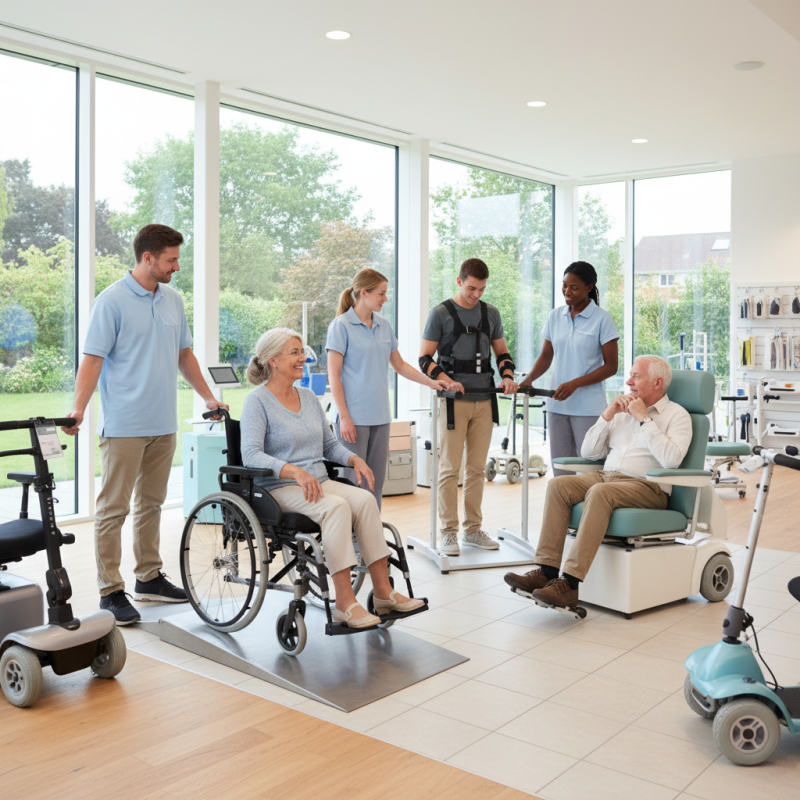
When considering care equipment, think about functionality and comfort. For instance, a wheelchair must fit well and be easy to maneuver. Additional features may enhance comfort, like adjustable armrests or footrests. It’s not just about aesthetics; it’s about improving quality of life.
However, choosing the right equipment isn't always straightforward. Many people may feel overwhelmed by options. Some equipment may look good but not serve a real purpose. Take time to reflect on what truly meets your needs. Investing in the right care equipment can lead to a more independent and fulfilling life.
Understanding Your Care Needs: An Initial Assessment
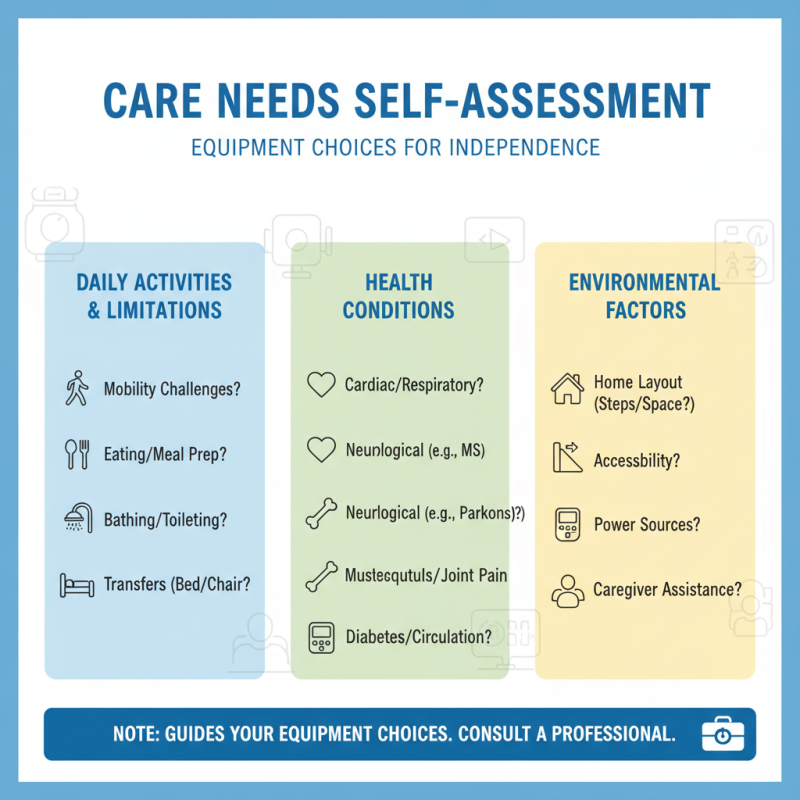
Understanding your care needs is crucial for making informed decisions about care equipment. Begin with a self-assessment. Ask yourself about your daily activities and limitations. Are you experiencing mobility challenges? Do you have specific health conditions that require tailored equipment? Note these factors. They will guide your choices.
Consider how often you will use the equipment. Frequent use demands durability and ease of operation. Reflect on spaces where equipment will be used. Are there tight corners at home? Will the equipment comfortably fit your lifestyle? Think about the support you need. Family assistance can influence your choice. Sometimes, the right decision might be a compromise, where ideal meets practical.
Gather information from various sources. Don’t rely solely on one perspective. Talk to healthcare professionals, peers, and support groups. They can offer insights based on experience. Be aware that your choices might evolve over time. What works today may not suit future needs. Regular evaluations of your situation can lead to better equipment choices in the long run.
Types of Care Equipment: A Comprehensive Overview
Choosing the right care equipment is vital for ensuring comfort and safety. Different types of equipment serve various needs. Mobility aids, like walkers or wheelchairs, cater to individuals with limited movement. A study by the World Health Organization (WHO) notes that around 70% of older adults face mobility challenges. Therefore, the right equipment can significantly enhance their quality of life.
Another important category is daily living aids. These include items like grab bars and shower seats. According to the Centers for Disease Control and Prevention (CDC), about one in four seniors falls each year, often resulting in severe injuries. Properly installed grab bars can reduce the risk of falls by nearly 50%. It’s crucial to evaluate personal circumstances and living conditions to choose the best aids.
Also, consider the emotional aspect of using care equipment. Some people may feel a sense of loss for independence. This should not be overlooked. It is essential to have discussions with loved ones about their feelings. Selecting the right equipment isn’t just about function; it’s also about fostering dignity and self-esteem.
Evaluating Quality and Safety Standards in Care Equipment
When selecting care equipment, evaluating quality and safety standards is crucial. High-quality equipment ensures the safety of users and caregivers. According to a report by the World Health Organization, 30% of injuries in care settings stem from improper equipment use. This statistic highlights the importance of prioritizing safety features.
When assessing quality, look for certifications. Devices should comply with international standards like ISO and CE marking. These certifications indicate that products meet safety and performance criteria. Research shows that equipment with proper certifications significantly reduces incident rates. Choose products backed by clinical studies to ensure effectiveness.
Tips: Always check for user reviews and past performance data. Engage with professionals about their experiences. Assess warranty and support options before purchasing. Ask questions to clarify features and concerns. Remember, not all equipment meets every need. Consider testing products where possible. This proactive approach can enhance safety and provide peace of mind.
Budget Considerations: Balancing Cost and Quality
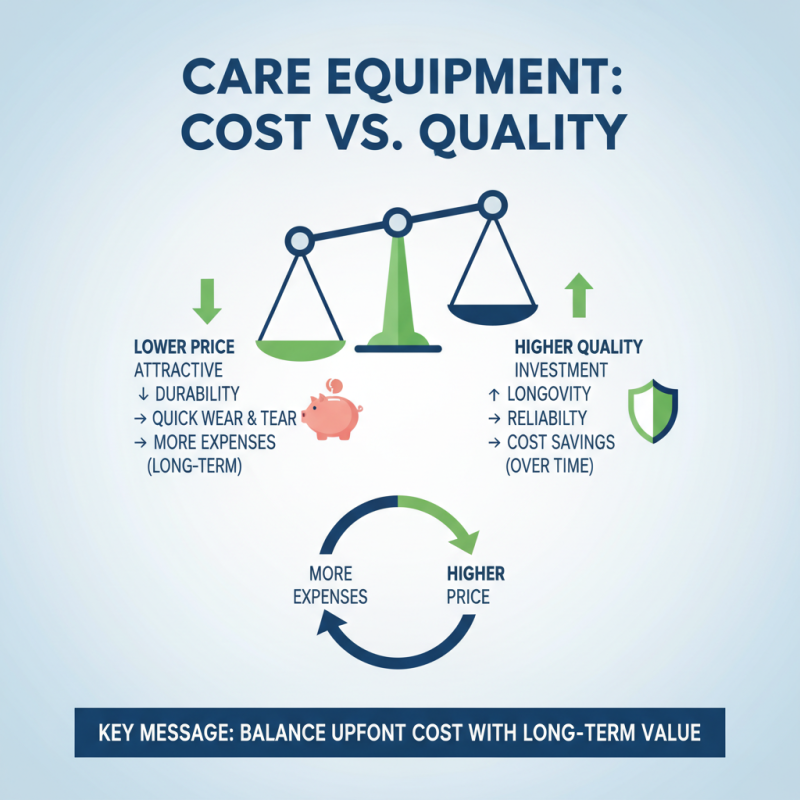
When selecting care equipment, budget considerations play a crucial role. It's vital to balance cost and quality. A lower price may attract attention, but what about durability? Cheaper options often wear out quickly. This leads to additional expenses over time, ultimately negating any savings. Sometimes, spending more upfront ensures better longevity.
Think about your specific needs. Will the equipment be used frequently? If so, investing in a higher-quality product may be wise. Evaluate the features that matter most to you. Sometimes, you might pay extra for unnecessary bells and whistles. Ask yourself if each feature truly adds value to your experience.
As you explore your options, consider maintenance costs too. Cheaper equipment might incur higher repair fees. Reflect on your choices. Sometimes, the best decision isn’t the most apparent one. Prioritize what will serve you well in the long run. The goal is to find a balance that works for your specific situation.
Consulting Professionals: When to Seek Expert Advice
Choosing the right care equipment can often feel overwhelming. When it comes to personal needs, the stakes are high. Consulting professionals can provide invaluable insights. A 2022 survey by the Home Healthcare Association indicated that 74% of caregivers felt unprepared to choose the right equipment. This highlights the importance of expert advice.
Healthcare professionals such as occupational therapists are trained to evaluate individual needs. They can recommend devices tailored to specific conditions. For instance, a patient with mobility issues may benefit from a walker or wheelchair. This targeted approach ensures better outcomes. Ignoring this can lead to improper use or even injury.
It's essential to recognize that not every piece of equipment works for everyone. A study from the National Institute on Aging found that 55% of seniors used equipment incorrectly. This emphasizes the need for proper training and assessment. If in doubt, reaching out for help can save time and potential harm. Making informed choices enhances safety and promotes independence.