10 Best Medical Solutions for Effective Healthcare Management?
Healthcare systems face immense challenges today. Increasing patient populations, rising costs, and evolving diseases demand innovative strategies. The global healthcare market is projected to reach $11.9 trillion by 2027, according to a recent report by Deloitte. Healthcare providers must adopt effective medical solutions to thrive in this competitive landscape.
Medical solutions play a crucial role in managing patient care efficiently. Technologies such as telemedicine and electronic health records are transforming the way providers interact with patients. Yet, many organizations still struggle to implement these systems effectively. A study by McKinsey highlights that up to 70% of digital health initiatives fail. Such statistics reveal the importance of choosing the right solutions tailored to specific medical environments.
The need for data-driven decisions in healthcare has never been greater. Integrating AI and data analytics can support improved patient outcomes and operational efficiency. However, many healthcare facilities remain hesitant to embrace these advancements due to budget constraints. Reflecting on these challenges is essential for progress. The future of healthcare depends on the successful integration of medical solutions that not only improve operations but also enhance patient care.

Emerging Technologies Transforming Healthcare Management
Emerging technologies are reshaping healthcare management dramatically. Data from the World Health Organization indicates that digital health systems can cut patient wait times by 30%. Telemedicine allows patients to receive care from home. This improves access for many, especially in rural areas. However, not all patients are comfortable with technology. Some feel more at ease with face-to-face interactions.
Artificial intelligence is playing a crucial role in diagnosis and treatment. A recent report by Accenture shows that AI can help reduce treatment errors by up to 20%. Yet, reliance on algorithms raises questions about accountability. Mistakes can still happen. The human element in care remains essential.
Additionally, blockchain is emerging as a solution for securing patient data. According to a study by IBM, 70% of healthcare organizations see data security as their primary concern. Blockchain offers transparency and trust. However, its implementation is complex and costly. Many organizations struggle with full integration. Balancing technology with personal care is vital but challenging.
Innovative Telemedicine Solutions for Remote Patient Care
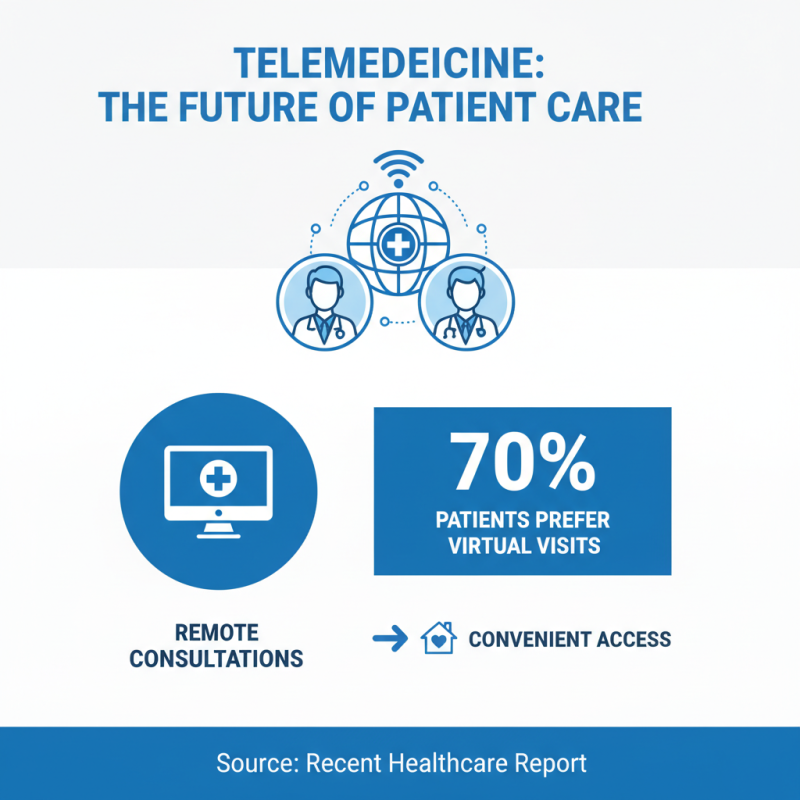
Telemedicine has transformed patient care by enabling remote consultations. According to a recent report, 70% of patients prefer virtual visits to in-person appointments. This shift highlights the growing demand for convenient healthcare access.
Remote monitoring tools are becoming popular. Patients can track vital signs at home and share data with healthcare providers in real-time. A survey indicates that 90% of users believe these tools improve their health management. However, there are challenges. Not all patients can easily access technology. The digital divide remains a significant barrier.
Telehealth platforms must prioritize user-friendliness. There's a learning curve for some elderly patients. Some may feel overwhelmed by technology. Providers must offer support and education. Continuous improvement is essential to ensure equitable and effective care in the telemedicine space.
Data-Driven Decision Making in Healthcare through Analytics
Data-driven decision making is reshaping healthcare management. Analytics plays a crucial role in improving patient outcomes. According to a recent report, facilities using analytics have seen a 15% increase in operational efficiency. This efficiency saves time and reduces costs. By leveraging data, healthcare administrators can identify trends and optimize resource allocation effectively.
Healthcare organizations often face data overload. It's essential to filter through information and focus on actionable insights. Managing data is a significant challenge. A study revealed that 50% of healthcare leaders struggle to make sense of their data. Finding the correct balance between data and decision-making can lead to substantial gains.
**Tip:** Implement regular training sessions to improve staff data literacy. Empowering your team can enhance analytics usage.
Integrating analytics into daily operations requires a cultural shift. Resistance to change can hinder progress. It's vital to encourage openness to new technologies. Adopting a trial-and-error mindset can facilitate smoother transitions.
**Tip:** Utilize pilot programs for new analytics tools. This approach allows for adjustments based on real-world feedback.
10 Best Medical Solutions for Effective Healthcare Management
| Solution | Key Features | Benefits | Data Utilization |
|---|---|---|---|
| Electronic Health Record (EHR) | Patient data management, interoperability | Improved patient care, streamlined workflows | Patient history analysis |
| Telemedicine Solutions | Remote consultations, video conferencing | Increased access to care, reduced travel | Patient engagement data |
| Health Analytics Platforms | Data visualization, predictive analytics | Informed decision making, operational efficiency | Population health trends |
| Patient Engagement Tools | Mobile apps, patient portals | Improved adherence, patient satisfaction | Feedback and adherence data |
| Clinical Decision Support Systems (CDSS) | Guidelines, alerts, reminders | Enhanced diagnostics and treatment | Clinical outcome tracking |
| Supply Chain Management Solutions | Inventory management, procurement | Cost reduction, waste management | Supply usage analytics |
| Revenue Cycle Management (RCM) | Billing, claims management | Improved cash flow, reduced claim denials | Financial performance metrics |
| Integration Engines | Data interoperability, interface management | Seamless information flow | System performance analytics |
| Artificial Intelligence (AI) for Diagnostics | Image recognition, predictive models | Faster diagnosis, treatment personalization | Diagnostic accuracy metrics |
| Wearable Health Technology | Health monitoring, data collection | Real-time health insights | Lifestyle data analytics |
Integrated EHR Systems Enhancing Patient Information Sharing
Integrated Electronic Health Record (EHR) systems play a crucial role in modern healthcare management. They enhance the sharing of patient information among different healthcare providers. This leads to better coordination of care. Patients benefit from faster diagnoses and treatment plans. Accurate data exchange reduces errors. However, these systems are not without challenges.
Data privacy remains a significant concern. Many patients worry about their information security. Inadequate training can lead to misuse or misunderstanding of the systems. Additionally, some healthcare providers struggle with implementing these technologies. Interoperability issues can hinder effective communication. These problems highlight the need for ongoing training and support.
Despite these challenges, integrated EHR systems have the potential to transform healthcare. They streamline processes and improve patient outcomes. Effective management relies on continuous improvement and adaptation. Addressing privacy concerns and technical limitations is essential. The future of healthcare depends on smarter, more connected systems.
Patient Engagement Tools for Improved Health Outcomes
Patient engagement tools play a critical role in enhancing health outcomes. They empower patients by providing easy access to health information. According to a recent report, engaged patients are 40% more likely to adhere to treatment plans. This adherence leads to improved health outcomes and reduced hospital admissions.
One notable aspect is the use of mobile health applications. These applications help patients track their symptoms and medication schedules. They also remind patients of upcoming appointments. Despite their effectiveness, only 30% of patients actively use these tools. This low engagement rate raises questions about accessibility and usability. Health providers need to consider these factors to maximize patient interaction.
Social media platforms also offer opportunities for patient engagement. They create communities where patients can share experiences and support one another. However, misinformation on these platforms can lead to confusion. Studies show that 20% of health-related posts contain inaccurate information, which complicates patient understanding. This highlights the need for effective moderation and guidance in online health discussions.
Patient Engagement Tools for Improved Health Outcomes
Related Posts
-
How to Find Reliable General Medical Information Online?
-

2026 Best Medical Linens for Healthcare Facilities and Home Use?
-
How to Supply Medical Equipment Effectively and Efficiently?
-
Best Ways to Order Medical Supplies Online for Your Needs
-
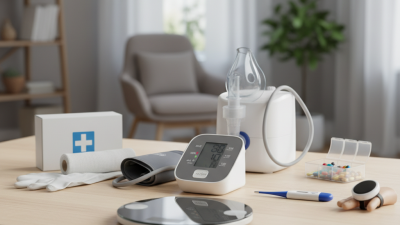
Top 10 Essential Healthcare Equipment Every Home Needs?
-

How to Choose the Right Medical Equipment Supplies for Your Needs?