10 Best Medical Equipment and Supplies for Home Health Care Needs?
In today's healthcare landscape, the importance of medical equipment and supplies cannot be overstated. A report from the World Health Organization indicates that over 70% of patients prefer receiving care at home. This shift has led to an increased demand for medical devices that aid in at-home health management. The market for home health care equipment is projected to grow significantly over the next five years, driven by an aging population and a rising incidence of chronic diseases.
Selecting the right medical equipment and supplies is crucial for effective home care. Devices like mobility aids, monitoring systems, and respiratory equipment play vital roles in ensuring patient safety and comfort. However, many caregivers struggle to navigate the vast options available. A common mistake is prioritizing cost over quality, which can lead to inadequate care solutions. Reflecting on these choices is essential, as they directly impact patient outcomes and overall satisfaction.
The right tools can significantly enhance quality of life, yet many families remain unaware of their options. Educational materials and professional guidance are often overlooked. As we dive into the ten best medical equipment and supplies for home health care needs, it's crucial to understand these factors to make informed decisions.
Essential Medical Equipment for Home Health Care: An Overview
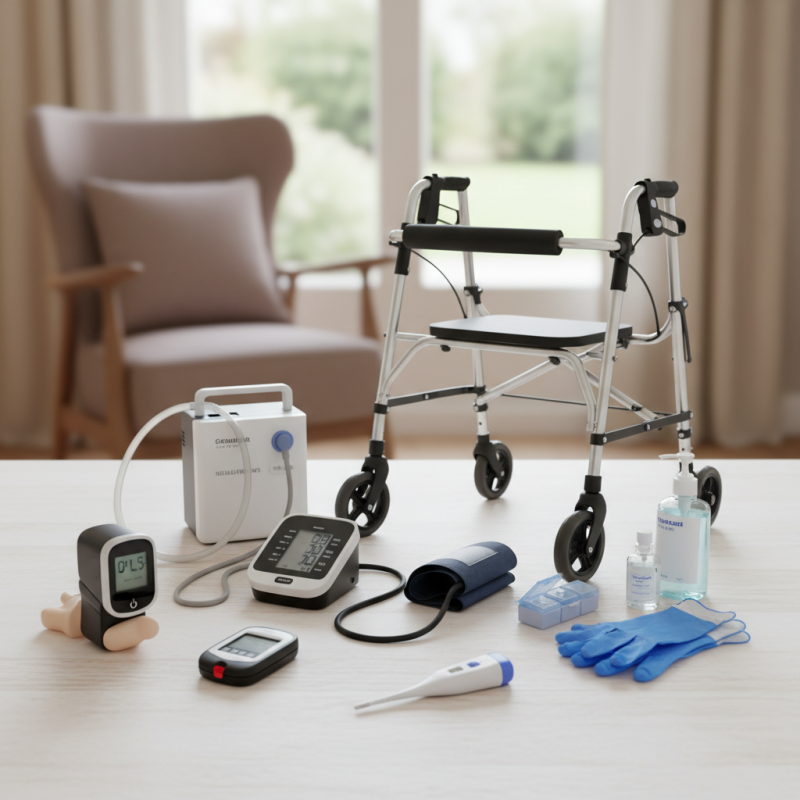
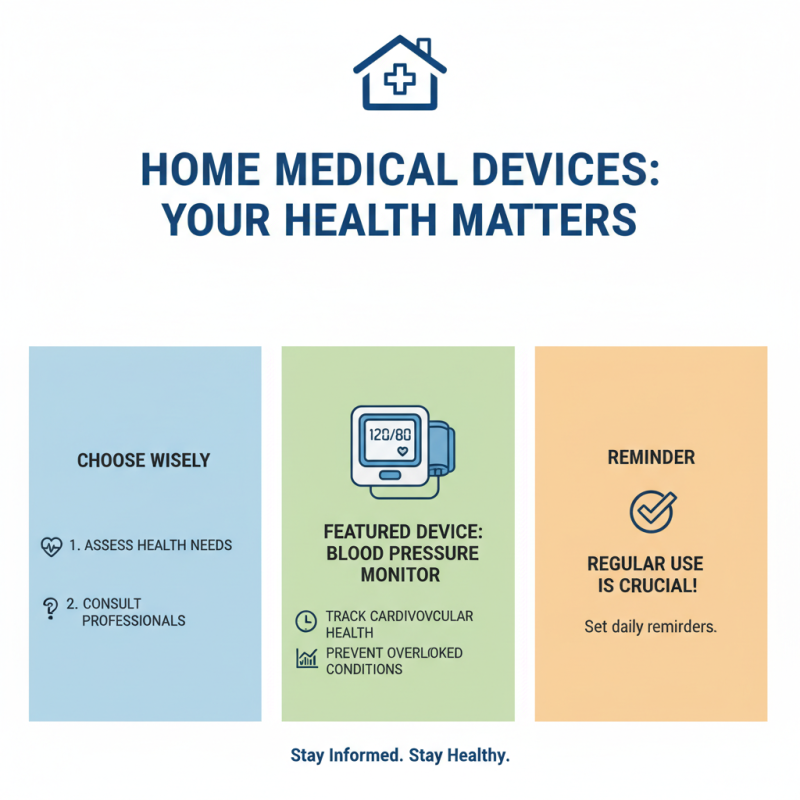
When it comes to home health care, having the right medical equipment is crucial. Essential supplies can make daily routines easier and ensure better health management. Start with basic items like a blood pressure monitor. This tool helps track heart health easily at home. A thermometer is also essential, allowing quick checks for fevers during illness.
Mobility aids are vital for many. Walkers and canes provide safety while moving around. They help prevent falls and promote independence. Consider keeping a first aid kit stocked. It should contain bandages, antiseptics, and pain relief. These supplies can address minor injuries promptly, reducing complications.
Tips: Check equipment regularly. Ensure everything is in working order. Replace batteries as needed. Do a walk-through of your space. Identify areas needing safety modifications. You may need to add grab bars in the bathroom. These simple changes can make a big difference in everyday life. Remember, comfort and safety are key to effective home health care.
Key Supplies Needed for Effective Home Health Management
Home health care has become essential for many families. Effective management requires the right medical equipment and supplies. According to a recent report from the Centers for Disease Control and Prevention (CDC), nearly 65 million Americans rely on home-based care. This rising trend underscores the need for careful selection of supplies that support daily health management.
Key supplies include blood pressure monitors, which help track cardiovascular health. Studies show that tracking blood pressure at home can lead to better management of chronic conditions. Moreover, a good thermometer is crucial. Fever detection is vital in managing illnesses, especially for vulnerable populations. Additionally, mobility aids like walkers or canes empower seniors to maintain independence at home.
Monitoring overall health is critical. A pulse oximeter can provide an immediate reading of blood oxygen levels. It's simple yet effective. Failure to have such equipment can lead to serious health risks. Furthermore, first aid kits are indispensable. Minor injuries can escalate if not addressed quickly. Yet, many overlook restocking these supplies regularly. This negligence can compromise safety during emergencies, highlighting the importance of staying prepared.
Choosing the Right Medical Devices for Home Use
Choosing the right medical devices for home use can be challenging. It's essential to consider specific health needs. For instance, a blood pressure monitor can help track cardiovascular health. Many people may forget to check their readings regularly, which can lead to overlooked conditions.
Mobility aids are another critical area. Items like walkers or cane can boost independence. However, some find these devices awkward at first, leading to hesitance in use. Training from a healthcare professional may help ease this transition, ensuring safety and confidence.
Choosing the right equipment is not always straightforward. Different devices serve various purposes. For example, a home pulse oximeter can quickly measure oxygen levels, which is beneficial for respiratory health. Yet, many might not understand how to interpret the readings correctly. This can lead to unnecessary panic or complacency. Understanding how to utilize these devices properly is crucial for effective home health care.
Maintenance and Safety Tips for Home Medical Equipment
Home medical equipment requires proper maintenance. Regular checks ensure everything works correctly. Neglecting maintenance can lead to serious issues. According to a report by the World Health Organization, up to 50% of medical devices can fail due to poor upkeep. This statistic highlights the importance of routine inspections.
Cleaning is vital. Equipment should be wiped down often. Use appropriate disinfectants to eliminate germs. Additionally, check for any wear and tear. Frayed wires or damaged parts can pose risks. A study from the FDA suggests that nearly 70% of accidents stem from equipment malfunction. Staying vigilant significantly reduces these risks.
Education is also key. Users must understand how to operate devices safely. Instructions should be clear and accessible. An alarming percentage of users lack proper training, which can lead to misuse. Investing time in understanding one’s equipment can save lives. Regularly reviewing manuals and guidelines can empower users.
Insurance Considerations for Home Health Care Supplies
When considering home health care supplies, insurance coverage is a crucial factor. A recent survey indicated that over 70% of consumers are unsure about their coverage for medical equipment. Understanding insurance policies can significantly reduce out-of-pocket costs for essential supplies.
Many plans may cover items like wheelchairs, walkers, and oxygen equipment. However, approval often hinges on specific documentation from a healthcare provider. Always confirm the need for prior authorization. Tip: Keep a record of all communications with your insurer. This can expedite the claims process.
Remember, not all supplies are covered equally. Some may require a prescription for coverage, while others may not. A study from the National Home Infusion Association noted that about 30% of individuals face challenges in obtaining necessary equipment due to insurance limitations. This highlights the importance of proactive research. Tip: Regularly review your insurance plan each year for any changes in coverage.
10 Best Medical Equipment and Supplies for Home Health Care Needs
| Item | Description | Uses | Insurance Coverage |
|---|---|---|---|
| Portable Oxygen Concentrator | Provides supplemental oxygen to patients with respiratory conditions. | Used for asthma, COPD, and other breathing issues. | Often covered with a physician's prescription. |
| Hospital Bed | A bed that can be adjusted for height and position. | Used for bedridden patients or those with mobility issues. | May be partially covered with proper documentation. |
| Wheelchair | A chair on wheels for disabled or ill individuals. | Facilitates mobility for individuals with movement restrictions. | Typically covered with a healthcare provider's recommendation. |
| Lifting Device | Used to lift patients from a bed to a chair or wheelchair. | Helps caregivers move patients safely. | Possible coverage with medical necessity proof. |
| Blood Pressure Monitor | Device for measuring blood pressure. | Used for patients at risk of hypertension. | Usually covered if prescribed by a healthcare provider. |
| Glucose Meter | Device that measures blood sugar levels. | Essential for patients with diabetes. | Often covered with a diabetes diagnosis. |
| Incontinence Supplies | Products to manage incontinence. | Used by individuals with bladder control issues. | Partial coverage may be available under specific conditions. |
| Nebulizer | Device that delivers medication in the form of mist. | Used for asthma and chronic respiratory diseases. | Typically covered with prescription. |
| Compression Socks | Socks that provide compression to improve circulation. | Used for conditions like varicose veins. | Possibly covered with a medical justification. |
| Therapeutic Pillows | Specialized pillows to support body alignment. | Used for chronic neck or back pain. | Coverage depends on specific health conditions. |
Related Posts
-
10 Essential Tips for Choosing Medical Equipment and Supplies?
-

Top Medical Answers to Common Health Questions?
-
Top DME Medical Supply Options for Patients and Caregivers?
-
How to Supply Medical Equipment Effectively and Efficiently?
-
Top 5 DME Medical Equipment for Home Health Care Needs?
-
How to Choose the Right Medical Equipment Supplies for Your Needs?